
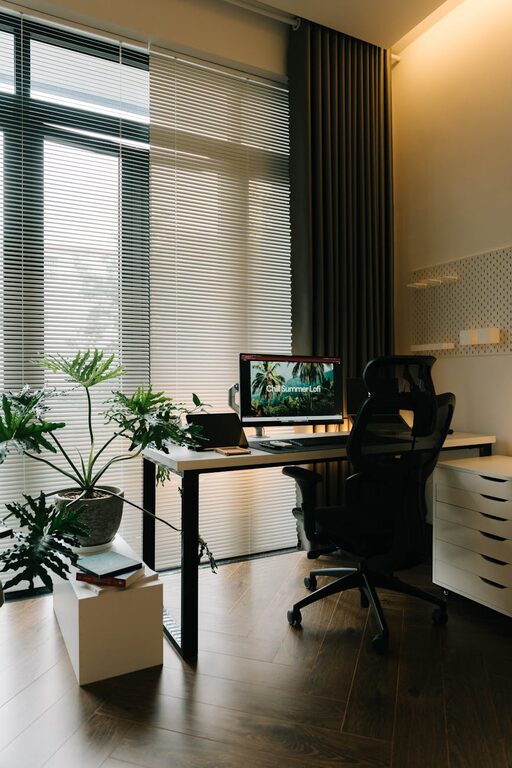
Creating a home office that feels both cozy and productive is essential for anyone working remotely or managing tasks from home. A well-arranged workspace can improve focus, reduce stress, and make your workday more enjoyable. In this post, we’ll explore practical tips to help you design a home office that blends comfort with efficiency.
Choose the Right Location
Consider Natural Light
Find a spot in your home with plenty of natural light. Sunlight can boost your mood and energy levels, making it easier to stay on task. If natural light is limited, opt for bright, warm artificial lighting to avoid eye strain.
Minimize Distractions
Select a quiet area away from noisy parts of your home. A dedicated room or a quiet corner helps separate work from everyday life and keeps distractions to a minimum.
Invest in Comfortable Furniture
Ergonomic Chair
A chair that supports your posture is crucial. Look for one with adjustable height, lumbar support, and comfortable cushioning. Sitting comfortably reduces physical strain and helps maintain focus during long hours.
Functional Desk
Choose a desk with enough surface area for your computer, notepads, and other essentials. If space is limited, consider a wall-mounted or foldable desk.
Add Soft Textiles
Incorporate cozy elements like cushions or a small rug to add warmth to your workspace. These touches can make your office feel inviting and less sterile.
Organize Efficiently
Use Storage Solutions
Keep your desk clutter-free with storage options such as shelves, drawers, or filing cabinets. Clearly labeled containers or baskets help you stay organized and quickly access documents or supplies.
Cable Management
Tidy cables with clips, sleeves, or under-desk trays to prevent tangles and keep your space neat. This not only improves aesthetics but also reduces stress caused by chaos.
Personalize Your Space
Add Plants
Indoor plants improve air quality and add a splash of color. Choosing low-maintenance plants like succulents or snake plants is ideal if you don’t have a green thumb.
Decorate Thoughtfully
Include artwork, photos, or inspirational quotes that motivate you. Use calming colors that promote concentration, such as soft blues, greens, or neutrals.
Create a Dedicated Tech Setup
Reliable Equipment
Invest in a quality computer, monitor, keyboard, and mouse that suits your work needs. If possible, use a second monitor for additional screen space.
Good Connectivity
Ensure your internet connection is strong and stable. Consider a wired connection or a high-performance router to avoid interruptions during work.
Sound Management
Using noise-canceling headphones or white noise machines can help maintain focus in noisy environments.
Prioritize Lighting and Air Quality
Adjustable Lighting
Use adjustable desk lamps with warm or natural light to reduce eye fatigue. Dimmer options allow you to tailor brightness throughout the day.
Fresh Air
Keep your workspace well-ventilated. Open windows when possible or use an air purifier to maintain a fresh atmosphere.
Establish Work-Life Boundaries
Define Work Hours
Set regular working hours and communicate them to household members. Consistency helps you get into a productive mindset and signals when to take breaks.
Separate Work from Relaxation
If your space doubles as a relaxation area, create clear boundaries to mentally switch between work and downtime. Closing a door or covering your desk when not working can help.
Incorporate Movement and Breaks
Stretch and Move
Include a small area for stretching or quick exercises. Taking short breaks to move your body refreshes your mind and reduces physical tension.
Use a Timer
Try methods like the Pomodoro Technique—working in focused intervals followed by short breaks—to maintain productivity without burnout.
—
Designing a cozy and productive home office space is all about balancing comfort, organization, and function. By choosing the right location, investing in good furniture, and personalizing your environment, you can create a workspace that energizes you every day. Remember, a thoughtful home office setup not only supports your work but also contributes positively to your overall well-being.