
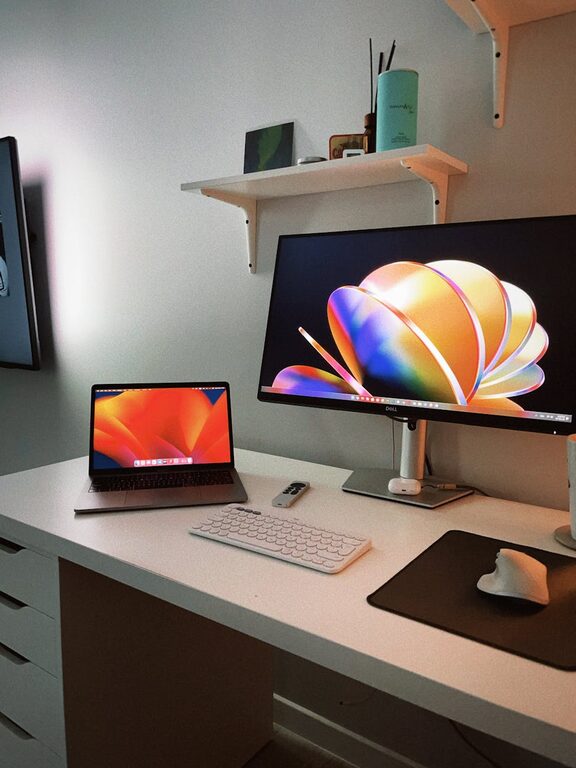
Creating a well-organized home office is essential for boosting productivity and maintaining focus throughout your workday. Whether you have a dedicated room or a small corner in your living space, a tidy and efficient workspace can make all the difference. In this post, we’ll explore simple tips to help you organize your home office in a way that enhances your workflow and keeps distractions at bay.
Why Organizing Your Home Office Matters
An organized home office helps you:
– Find important items quickly
– Reduce stress and clutter-related distractions
– Improve time management by streamlining your workspace
– Create a pleasant work environment that motivates you
Now, let’s dive into practical steps to get your space in order.
Assess Your Current Workspace
Before making any changes, take a good look at your current setup. Ask yourself:
– What are the main tasks I perform here?
– Which tools and supplies do I use daily?
– What items rarely get used but take up space?
– How does my current layout impact my productivity?
Answering these questions will help you identify what to keep, what to store, and what to remove.
Keep Your Desk Clutter-Free
Your desk is your primary work area and should be reserved mostly for items you use frequently. Here’s how to keep it tidy:
1. Clear Off Unnecessary Items
Start by removing everything from your desk. Only bring back essentials like your computer, notebook, pens, and a few personal items that motivate you.
2. Use Desk Organizers
Invest in simple organizers such as trays, pen holders, or drawer dividers to keep supplies neatly arranged. This prevents clutter accumulation and keeps everything within reach.
3. Limit Personal Items
While personal touches are nice, too many can distract you. Choose a small photo frame, a plant, or a decorative object instead of overcrowding your space.
Optimize Storage Solutions
Smart storage keeps your office tidy and makes it easier to locate items. Consider these ideas:
1. Shelves and Cabinets
Use wall-mounted shelves or filing cabinets to store documents, books, and office supplies. Label boxes and folders clearly to save time searching.
2. Use Vertical Space
Make use of vertical space by adding hooks or pegboards for hanging headphones, cables, or small tools.
3. Clear Containers
Transparent boxes help you see contents at a glance, reducing time spent rummaging through storage.
Manage Cables and Electronics
Tangled cables can create visual clutter and stress. Here’s how to tame them:
– Use cable clips or ties to bundle cords neatly.
– Label chargers and cables so you know which belongs to which device.
– Consider wireless accessories to cut down on cables.
– Place power strips under the desk or behind furniture to keep cables out of sight.
Create Zones and Define Purpose
If your workspace allows, divide your office into zones according to tasks:
– A computer station for digital work
– A writing or planning area with a notebook and calendar
– A reference corner with books and manuals
Having defined zones helps your brain switch tasks more easily and keeps your workflow organized.
Use Daily and Weekly Maintenance Routines
Organization isn’t a one-time task. Maintain your neat space by:
– Clearing your desk at the end of each day
– Sorting mail and paperwork daily
– Setting aside time each week to tidy storage areas and discard unneeded items
Creating these habits ensures your workspace stays productive long term.
Pay Attention to Lighting and Comfort
A well-lit and comfortable office supports productivity:
– Position your desk near natural light sources when possible
– Use adjustable desk lamps for focused lighting
– Choose an ergonomic chair and consider a footrest
– Keep frequently used items within reach to avoid strain
Comfort reduces fatigue and helps you maintain concentration.
Personalize But Keep It Functional
Adding personal touches makes your office inviting. Consider:
– Displaying inspiring quotes or artwork
– Adding plants for fresh air and calmness
– Playing soft background music if it helps concentration
However, balance decoration with functionality to keep productivity high.
Final Thoughts
Organizing your home office doesn’t have to be overwhelming. By assessing your needs, decluttering carefully, optimizing storage, and establishing maintenance habits, you can create a workspace that encourages focus and efficiency. Start with small changes and build from there — your productivity will thank you!
—
Feel free to share your own organization tips or ask questions in the comments below!