
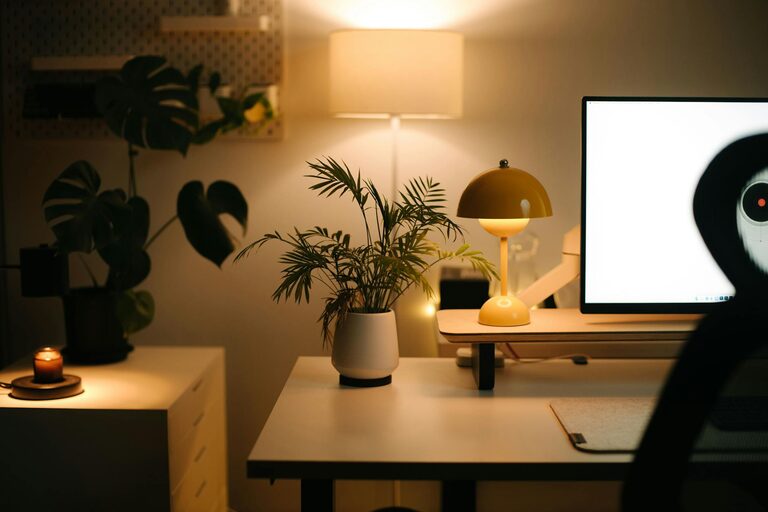
Creating a home office that feels both cozy and inviting can transform your workday experience. Whether you spend a few hours or a full day working from home, a thoughtfully designed workspace can boost focus, reduce stress, and make your tasks more enjoyable. Here are practical tips to help you create a home office space that you’ll look forward to using.
Choose the Right Location
Your home office should be in a spot where you can work comfortably with minimal distractions. Ideally, pick a quiet corner or a spare room with good natural light. If space is limited, consider how you can carve out a dedicated work nook that separates your work area from other parts of your home.
Maximize Natural Light
Natural light helps improve mood and productivity. Position your desk near a window if possible. Use light, sheer curtains to allow daylight in while reducing glare on your computer screen. If natural light is scarce, invest in soft, warm artificial lighting to keep the space inviting.
Invest in Comfortable Furniture
Comfortable seating and a suitable desk are essential in any home office.
– Ergonomic chair: Choose a chair that supports your back and promotes good posture.
– Desk at the right height: Your desk should allow your arms to rest comfortably at a 90-degree angle.
– Adjustable solutions: Consider adjustable desks or accessories like keyboard trays to customize your comfort.
A cozy chair with soft fabric and supportive cushions can make long work sessions easier on the body.
Add Personal Touches
An inviting office is one that feels uniquely yours.
– Decorate with art or photos: Display a few pieces of artwork or personal photographs that inspire or relax you.
– Incorporate plants: Small indoor plants add life, improve air quality, and create a calming atmosphere.
– Choose comforting colors: Soft, neutral, or pastel colors work best to keep the vibe warm and focused without overwhelming your senses.
Avoid clutter, but don’t make your space sterile—balance is key.
Organize Efficiently
A tidy office encourages productivity and clear thinking.
– Use storage solutions: Shelves, filing cabinets, and drawer organizers keep supplies orderly and easy to find.
– Cable management: Use clips and cord covers to avoid tangled cables and maintain a clean look.
– Keep only essentials on your desk: Limit desk items to what you use most often to maintain an uncluttered appearance.
Regularly declutter to prevent buildup and create a more peaceful workspace.
Incorporate Soft Textures and Lighting
Soft furnishings and warm lighting make your office more comfortable.
– Add area rugs: A small rug underfoot adds warmth and texture, especially in rooms with hard floors.
– Use cushions and throws: Adding cushions to your chair or a cozy throw helps create a snug environment.
– Layer your lighting: Combine desk lamps, floor lamps, and overhead lights with dimmers to adapt lighting to different tasks or moods.
Warm light bulbs (around 2700K) give off a relaxing glow compared to harsh white light.
Create Zones for Different Activities
If your space allows, divide your office into zones for different purposes.
– Focus zone: Where your primary computer and tasks happen, keeping distractions minimal.
– Break zone: A small seating area or corner with a comfy chair for reading or brief breaks.
– Creative zone: A spot for brainstorming, sketching, or spreading out papers.
Separating activities helps your brain switch modes and refresh throughout the day.
Manage Technology Wisely
Technology is essential but can clutter a space or cause distractions.
– Choose wireless devices: Keyboards, mice, and printers reduce cable clutter.
– Use noise-canceling headphones: They improve focus in noisy environments.
– Keep charging stations organized: Designate an area for charging phones, tablets, and other devices.
Invest in screen filters or stands to improve ergonomics and reduce eye strain.
Maintain Good Air Quality and Temperature
Comfort also comes from the environment.
– Ventilate regularly: Open windows or use air purifiers to keep the air fresh.
– Control temperature: Use fans, heaters, or air conditioning to maintain a comfortable temperature year-round.
Fresh air and a suitable climate help sustain focus and reduce fatigue.
Set Boundaries and Establish Routine
Finally, a cozy space is also one that supports your work habits.
– Set clear start and end times: This helps separate work from home life.
– Keep your workspace for work only: Avoid using your office for non-work activities to maintain a professional mindset.
– Add motivational reminders: Inspirational quotes or a goals board can keep you energized and focused.
Creating a comfortable and inviting home office is about making the space work well for you. With these tips, you can enjoy a productive environment that feels like a true retreat for your mind and body. Happy decorating!